
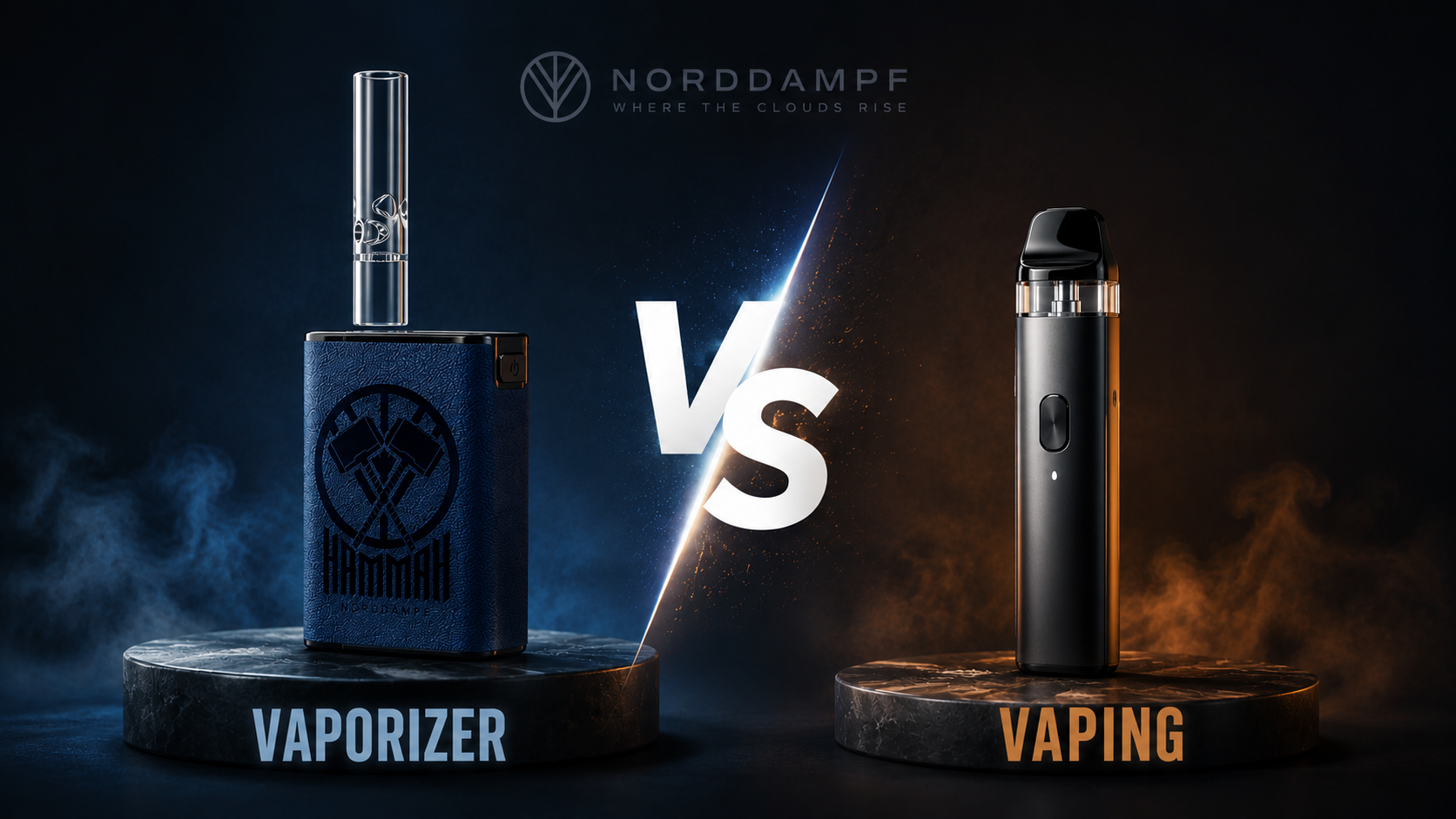
If you were to pull out a small device, take a quick draw, and exhale something cloudy in a public space, the people around you would probably assign one single noun to your action: you are vaping. Regardless of what's inside the device or how it heats, the activity has been labeled as such, almost by default.
Thanks to that casual, sometimes even arbitrary shorthand, there is now widespread conflation about vaporizers vs. e-cigarettes. But the fact is, a dry-herb vaporizer and an e-cigarette do similar-looking things through completely different machinery.
It's hardly a major issue either way, and the world isn't suddenly going to stop spinning because of vaping semantics, but if you want to know the main difference between a vape and a vaporizer, this blog post covers everything.
Key Points
- Vaporizers heat dry herbs or concentrates; e-cigarettes heat liquid. That's the vaporizer vs e-cigarette split in one simple, quick line, rendering the rest of this blog post pointless, really.
- "Vape" became the common verb because e-cigarettes went mainstream first, which is why people still ask if e-cigs and vape pens are the same thing.
- Heating is the real difference between a vape and a vaporizer: conduction, convection, or hybrid for herbs, versus a coil soaking liquid.
Why Does Everyone Call Everything "Vaping"?
Mainly because e-cigarettes popularized both the hardware and the verb long before dry-herb vaporizers even appeared on the mass market. Once a word has become established in common parlance, it sticks. It’s similar to how most people refer to brown sugary water as “Coke,” even though it could actually be Pepsi or (heaven forbid) RC Cola.
In other words, e-cigarettes came first and quickly became known as vaping. Vaporizers were introduced more recently, and because both device types deliver inhalable vapor through a mouthpiece, they were given the same name.
So when someone asks whether vaping vs vaporizing are the same, the simple answer is that the terms get used interchangeably, even though the devices aren't the same. Not that anyone is going to stop you in the street and ask such an absurd, random question, of course. But if they do, you have the answer.

Our Best Sellers
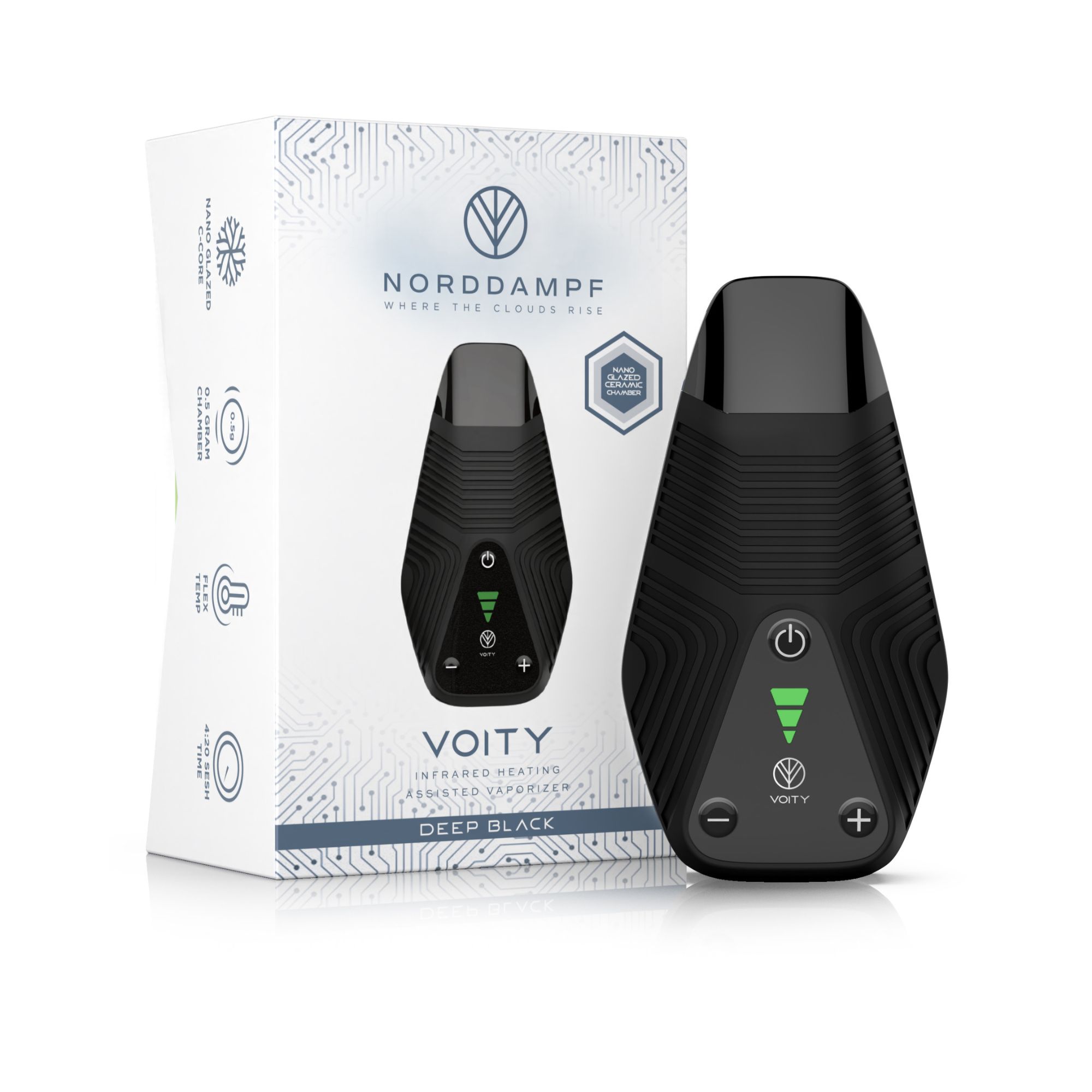
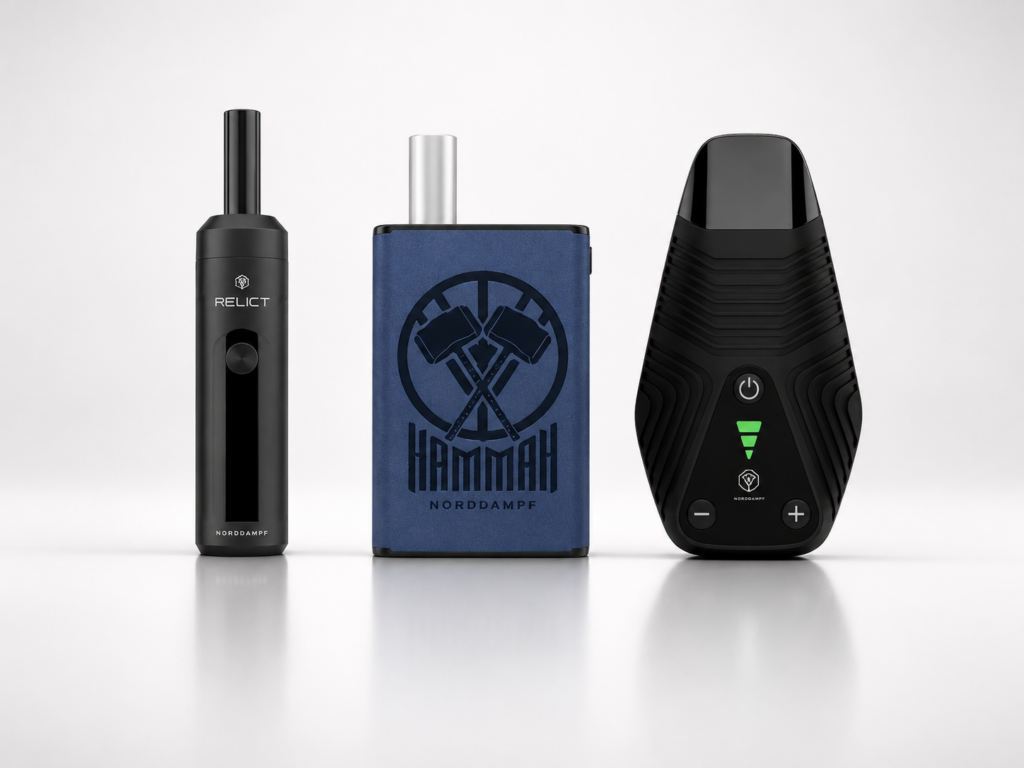
Discover the most popular Norddampf products
What Is a Vaporizer?
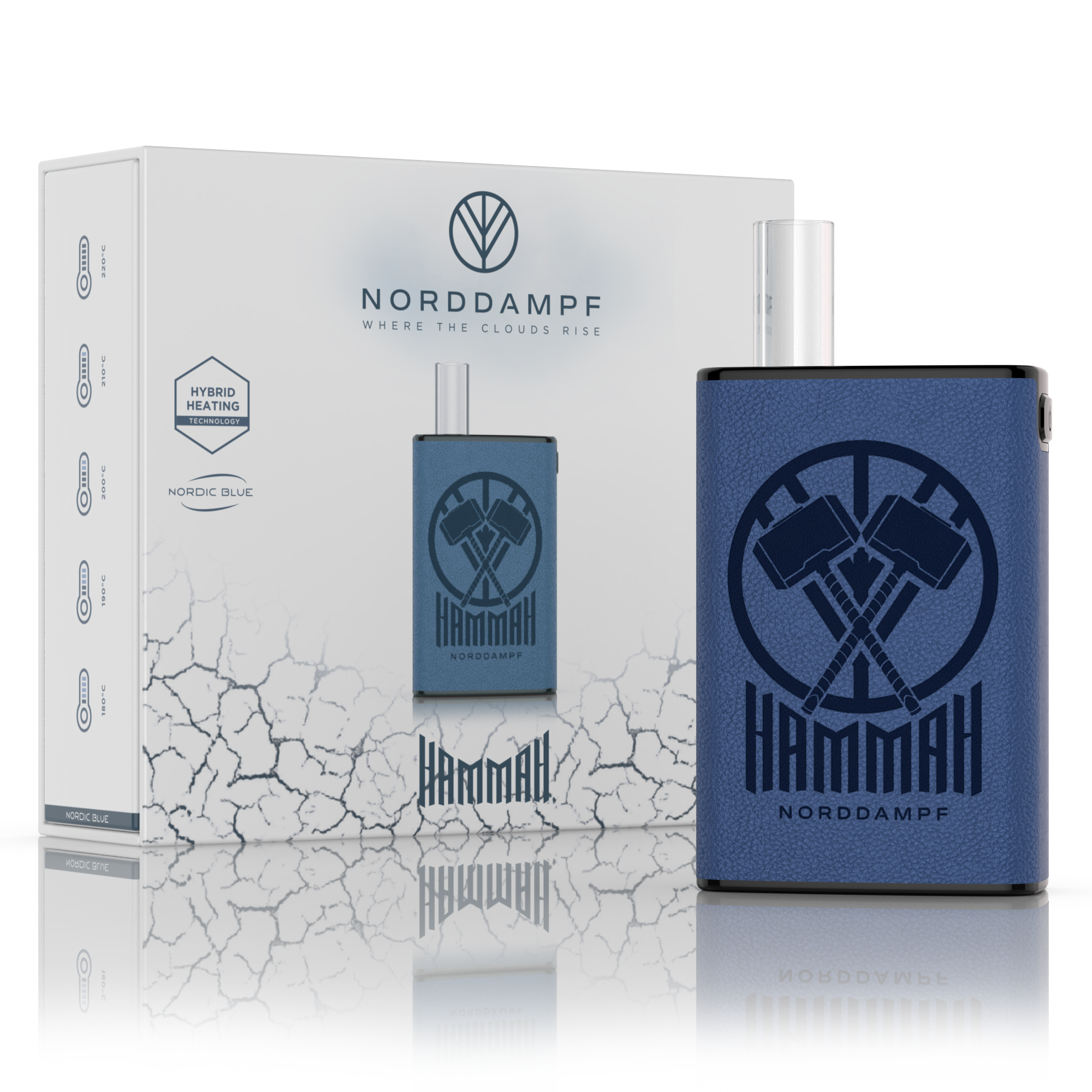
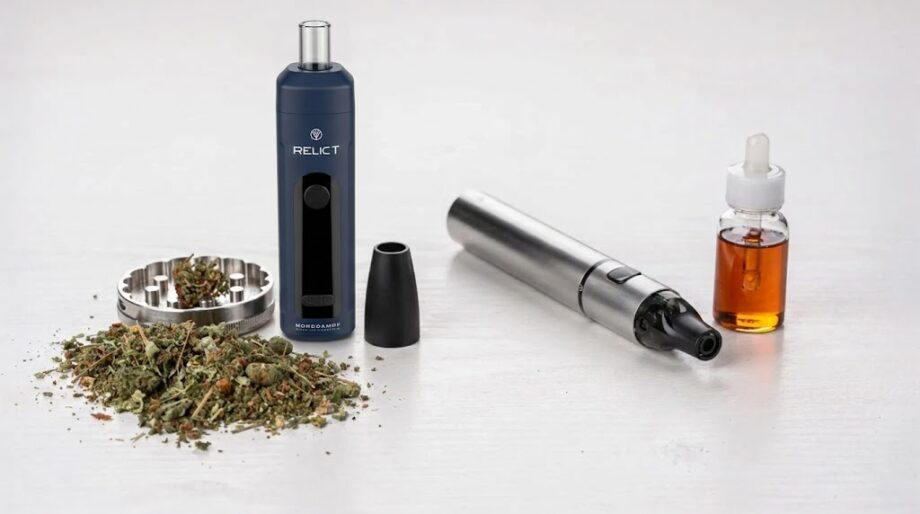
A vaporizer, or dry-herb vaporizeras it is often known, heats plant material, usually dried herbs, sometimes extracts, to the point where the active compounds turn to vapor without the material catching fire.
The point is controlled extraction: you set a temperature, the device holds it, and you get vapor instead of smoke. It really is a clever piece of kit that offers a whole host of benefits of traditional combustion methods, like pipes, cigarettes, or joints.
Adjacent Terms Worth Knowing
- Vape pen: usually a slim e-liquid device, though people sometimes stretch it to cover concentrate pens too.
- Mod/pod system: both e-liquid subtypes. Mods are the customizable end; pods are simpler and often prefilled.
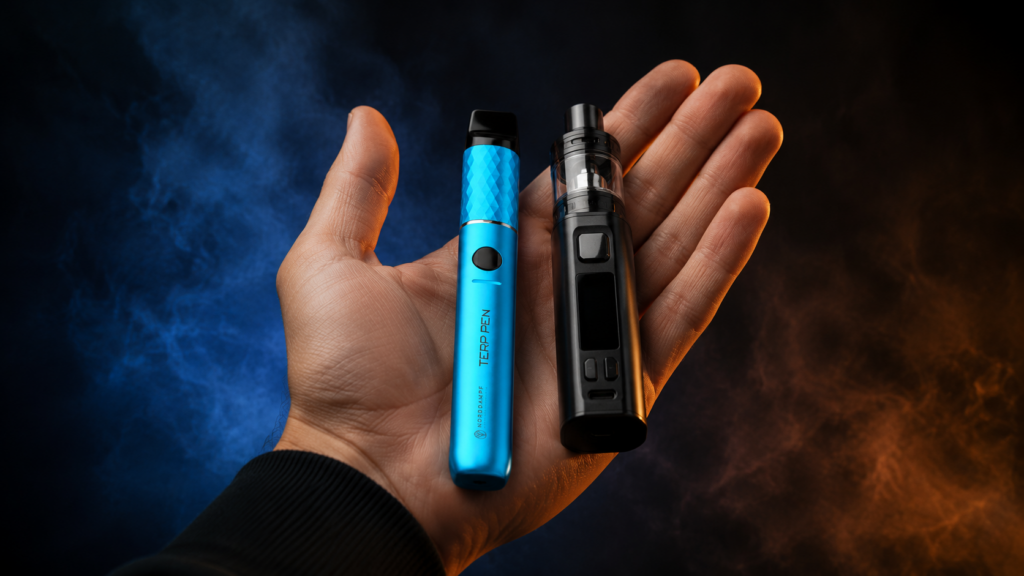
- Dab pen: a vaporizer built for concentrates rather than flower. Norddampf's Terp Pen and Dab Pen Mini are real examples.
- Dry-herb vaporizer: the exact term for a device made to vaporize whole dried plant material, and the phrase that gets you to the right shelf when flower is what you have in mind.
What Is an E-Cigarette?
An e-cigarette, pod systems, and liquid vape pens included, simply vaporize e-liquid, instead of dry matter. That liquid is usually propylene glycol, vegetable glycerin, flavorings, and optional nicotine. A battery heats a coil, the coil heats the liquid, and the liquid becomes vapor. Simple.
There is no plant material or indeed any tangible matter, period, which is rather the crux of the vape vs vaporizer question.
Vape vs Vaporizer: Key Differences at a Glance
| Feature | Vaporizer (herbs/concentrates) | E-cigarette (liquid) |
| Material | Dried herbs, some concentrates | E-liquid (PG/VG, flavors, optional nicotine) |
| Heating | Conduction, convection, or hybrid | Coil heats liquid |
| Goal | Aromatic, temperature-controlled vapor | Liquid vapor, often nicotine |
| Temperature | Often precise, sometimes to the degree | Usually wattage or preset modes |
| Maintenance | Clean chamber, screens, mouthpiece | Replace coils, clean tank/pod |
Technology Explained: Conduction, Convection, Hybrid, and Coils
Dry-herb vaporizers heat in one of three ways, and the method affects how they behave once being used.
- Conduction puts the herb in direct contact with a hot surface, rather like a pan. It's fast, but it rewards a decent grind and the occasional stir, so nothing scorches.
- Convection pushes hot air through the material rather than letting it touch it, which extracts more evenly and, for many, tastes cleaner.
- Hybrid systems borrow from both, chasing quick heat-up without a harsh draw, which is why so many modern devices land there.
- E-cigarettes work differently. A wick inside the heating coil absorbs the liquid; the coil heats it and turns it into vapor. If it gets too hot or the wick dries out, it produces that burnt taste that every vaper is familiar with. Since the coil is a wear-and-tear part, it needs to be replaced regularly.
That's the mechanical heart of vaping vs vaporizing: one extracts from a plant, the other cooks a liquid off a wick.
Application: Ritual, Taste, and Everyday Use
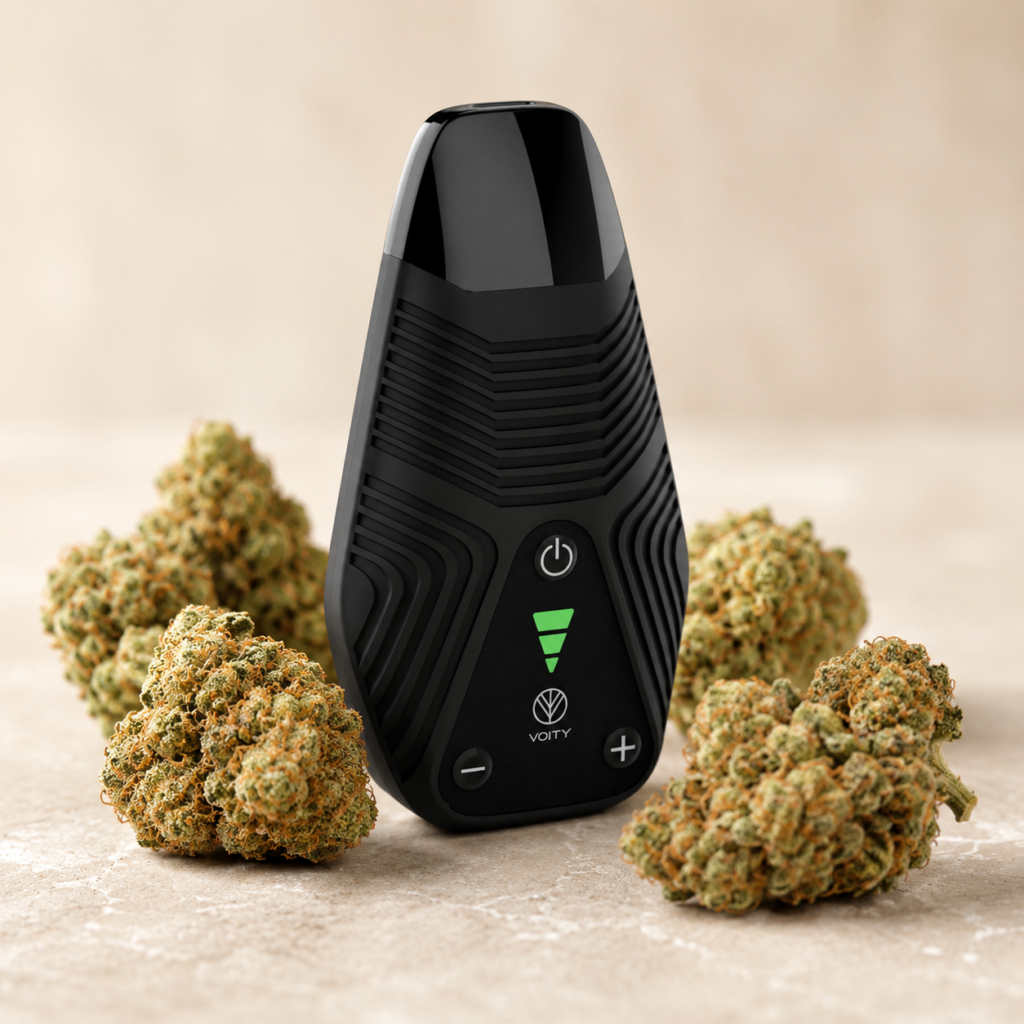
A dry-herb vaporizer session has a shape to it. You grind, fill the chamber or drop in a capsule, set a temperature, enjoy it for a few minutes, then empty and tidy up. Flavor rides on herb quality, grind, temperature, and cleanliness, so the payoff scales with the care you put in.
An e-cigarette is built for the opposite instinct: the quick, spontaneous puff. Fill the pod, and it fires on the draw or with a button. Flavor comes almost entirely from the liquid, and there's no session to speak of. That difference in rhythm often decides whether to vape or e-cig before even considering heating methods.
Care and Cleaning
| dry-herb vaporizer | E-Cigarette | |
| Main upkeep task | Clean chamber, screens, mouthpiece | Replace coils |
| Cleaning agent | Isopropyl alcohol (manufacturer-approved) | N/A — tank/pod wipe-down |
| Frequency | After each session (light brush) | Coils on a schedule; tank as needed |
| Failure mode if skipped | Poor draw, stale taste | Burnt taste, degraded flavor |
Plenty of disappointing purchases come down to mismatched expectations about upkeep, and not necessarily faulty devices.
Dry-herb vaporizers leave trace amounts of residue in the chamber, screens, and mouthpiece, which affects both draw and taste, but cleaning your vaporizer is not difficult at all.
Just brush the chamber after a session, and use isopropyl alcohol only on the removable components the manufacturer specifies, such as glass mouthpieces and stainless steel screens. Electronics, seals, and any coated internal parts should never come into contact with it. Dosing capsules also keep things tidier for longer.
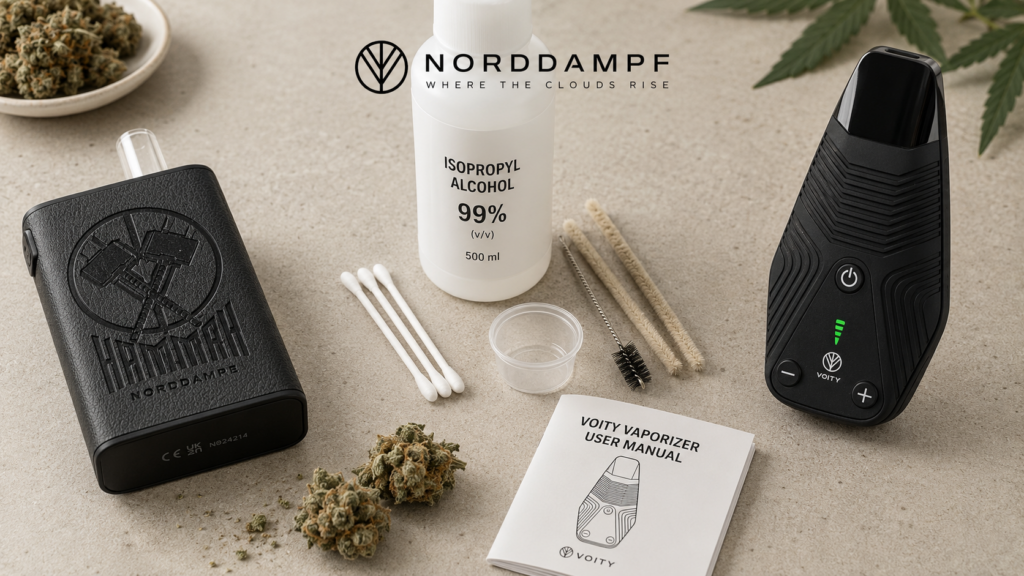
E-cigarettes require less scrubbing but more replacement. Coils wear out fairly quickly, which is simply the nature of the part, and not really a defect. Keep the tank clean so flavors don't go stale, and change coils before they burn. Neither device is maintenance-free. They just fail you differently.
Safety and Materials
We had thought about putting together a checklist of some sort, but on second thought, the safety concerns with a vape or e-cig aren't quite the same.
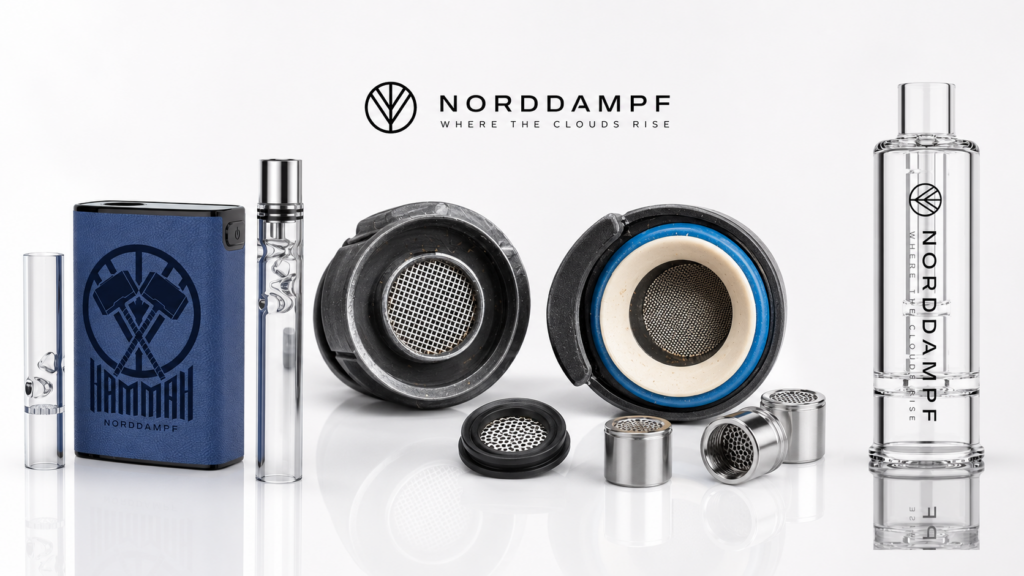
With a dry-herb vaporizer, the question is what the vapor comes into contact with on its way to you. Air passes over the heater, through the chamber, along whatever tube or stem the manufacturer chose, and out through the mouthpiece.
Cheaper devices sometimes (but certainly not always) cut corners on that path, tucking in a bit of plastic where you don't really want it, and then heating it repeatedly to 200°C. Price is not a reliable signal, though. What matters is whether the manufacturer uses tested, heat-resistant materials, whether the temperature control is accurate under load, and whether they are willing to publish clear information about how the device is built.
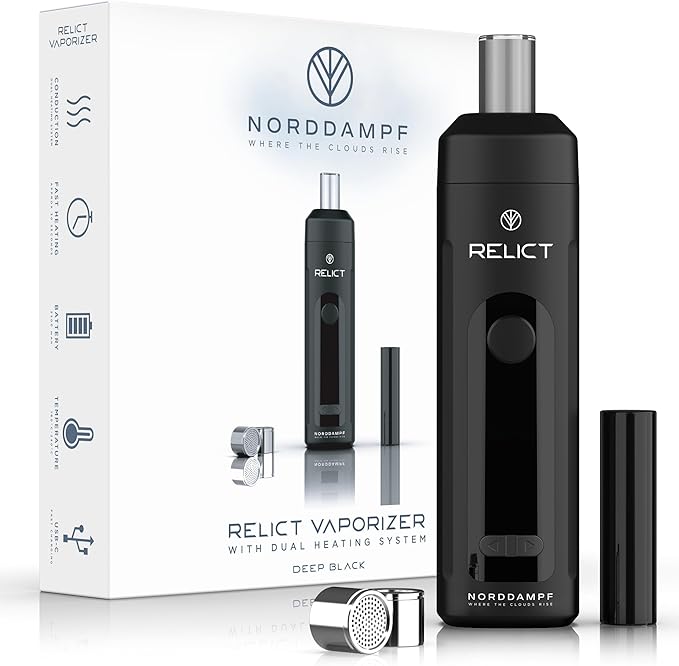
Glass, ceramic, and stainless steel are heat-resistant materials, though temperature control plays a role here as well—not so much for safety reasons as because a device that displays 180 °C but actually reaches 230 °C will literally burn your herb. A well-designed device like the RELICT vaporizer is engineered to maintain the displayed temperature very accurately under normal conditions.
With an e-cigarette, the liquid is often more of a concern than the hardware. It is a mixture made by a third party, and the 2019 lung injury outbreak (EVALI) was strongly associated with illicit THC cartridges, many of which contained vitamin E acetate as a cutting agent. Regulated e-liquid from established manufacturers sits in a different category altogether.
Either way: Always buy clearly labeled liquid from a manufacturer that's willing to put its name on it.
Why the Distinction Actually Matters
The distinction between a vape vs vaporizer has practical consequences if you are looking to purchase one or the other. Getting the two mixed up is not just a vocabulary slip; it can cost you real money.
A chamber built for dry herb will not take e-liquid, and pouring some in does not just fail, it damages the device. Buy on the strength of the word "vape" alone, and you can easily end up holding hardware that won't accommodate the material you had in mind.
The two also ask different things of you. A dry-herb vaporizer wants grinding, filling, a temperature set, and a clean afterward, while an e-cigarette wants a filled pod and a fresh coil now and again, and little else.
Of course, neither is a bad way to spend your money - they are simply not the same purchase, and it is much cheaper to work out which one you actually want before it is sitting on your shelf than after.
Common Misunderstandings
- "A herbal vaporizer is maintenance-free."
It isn't, and pretending otherwise is how good devices get blamed for bad sessions. Cleaning is part of the deal.
- "Higher temperatures are always better."
Not with herbs. Push the heat too high, and you flatten the flavor for no real gain. Match the temperature to the aroma you're after.
- "Dry-herb vaporizers and THC vape carts are the same risk category."
They aren't, as the public-health record on adulterated cartridges makes clear. Different product classes, different risk profiles, and appearance is no guide either, since pod systems, box mods, and dry-herb pens all look wildly different.
Bottom Line
Vaporizers are made for herbs and some concentrates, e-cigarettes for liquid, and the shared verb "vape" has been papering over that gap for years.
If a dry-herb vaporizer is where you're headed, weigh the heating method, material quality, temperature control, and cleaning demands before considering how big a cloud it throws.
Ready to browse properly? The full range of Norddampf vaporizers includes precise dry-herb devices with dial-in temperature control for full flavor, alongside compact concentrate options for something more portable.
FAQs
Is a dry-herb vaporizer the same as an e-cigarette?
No. A dry-herb vaporizer heats plant material; an e-cigarette vaporizes e-liquid through a coil. Same verb, different machines: this is the core difference between vape and vaporizer.
Are e-cigs and vape pens the same?
Mostly, in casual use. Both usually refer to liquid devices, though "vape pen" is occasionally stretched to cover concentrate pens, so the terms overlap heavily but aren't perfectly precise.
Can I put liquid in a dry-herb vaporizer?
Generally no. The chamber and vapor path aren't designed for it. Only use materials that the manufacturer explicitly approves.
Why did vaping get a bad reputation, and does that apply to dry-herb vaporizers?
Much of the reputational damage traces to the 2019 EVALI outbreak, which public health investigators associated primarily with illicit THC cartridges containing vitamin E acetate, rather than dry-herb devices. It's a good example of why the vape or e-cig distinction, and knowing your source, matters.
Sources
- Abrams, D.I., et al. (2007). Vaporization as a Smokeless Cannabis Delivery System: A Pilot Study. Clinical Pharmacology & Therapeutics. https://pubmed.ncbi.nlm.nih.gov/17429350/
- Centers for Disease Control and Prevention (2020). Outbreak of Lung Injury Associated with the Use of E-Cigarette, or Vaping, Products. https://www.cdc.gov/mmwr/volumes/69/wr/mm6909a4.htm
- U.S. Food and Drug Administration. Lung Injuries Associated with Use of Vaping Products. https://www.fda.gov/news-events/public-health-focus/lung-injuries-associated-use-vaping-products
- German Federal Institute for Risk Assessment (BfR). Consumer information on e-cigarettes. https://www.bfr.bund.de/
- German Cancer Research Center (DKFZ). Tobacco and e-cigarette research. https://www.dkfz.de/
This article is for informational purposes only and does not constitute medical advice. Always consult a qualified healthcare professional before using cannabis products for health-related purposes.